top of page


Temperate Climate Food Forest


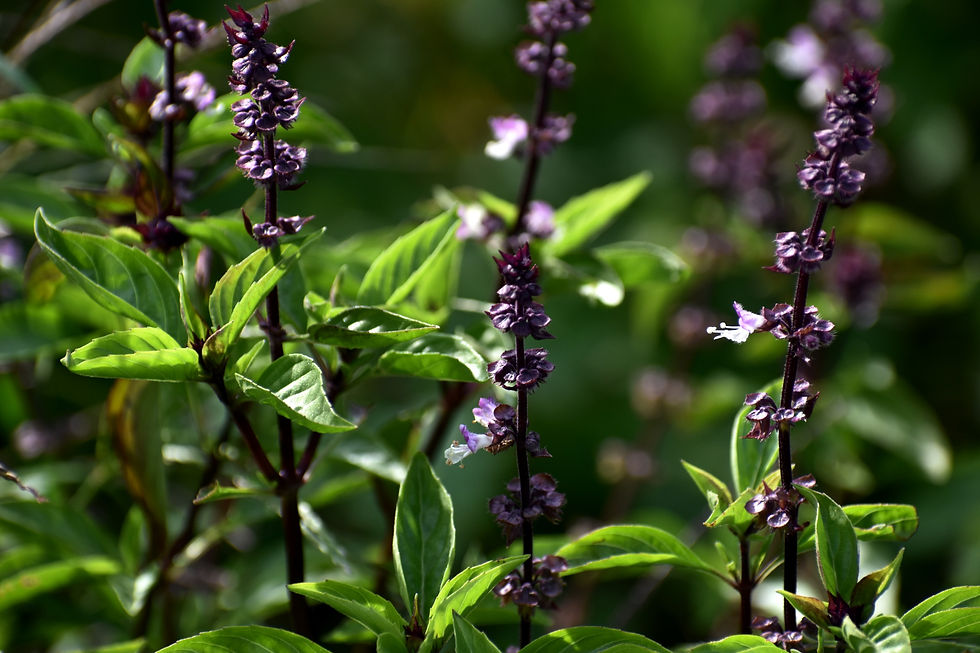
This may be Zone 5, but we love pushing our zone limits.

Over the years we have learned so much about our land and how small details can make a big difference. We watch where the snow melts first, where the trees cast shade once they've leafed out, and which spots catch the morning and evening sun. We pay close attention to microclimates so we can plant earlier in spring and extend the season into fall.
Through observation, we've found the best locations for heat-loving crops and protected spots for cold-sensitive plants. The south side of our house, for example, reflects sunlight and noticeably boosts warmth. Even south-facing hills feel warmer as you walk up them. These are just a few ways we've learned where to plant, by letting the land teach us.


Our Land Is Our Canvas: Creating Art with Nature


We're always discovering more about the incredible mycorrhizal network beneath our feet. One of the most valuable lessons we've learned is the importance of planting near mother trees, these mature trees support young seedlings by sharing nutrients, water and information through underground connections. We've seen the benefits firsthand, and it's truly an amazing experience.
That's why we're committed to protecting our mother trees and planting directly into the undisturbed forest floor. By working with the natural ecosystem, not against it, we're giving our seedlings the best possible chance to grow and thrive.
Learning from the land
Adding a tropical look to our Michigan food forest


Biodiversity is Key
We're creating a balanced ecosystem!


Attracting Beneficial Insects


Harvesting daily
from the garden and from the wild


bottom of page